

Understanding the Psychology of Bluffing
Bluffing is an essential skill in poker that transcends mere chance; it involves a keen understanding of psychological dynamics between players. Successful bluffing relies on your ability to read your opponents’ reactions and behaviors, especially when playing at an online casino $10 neosurf where stakes can be high. The aim is to create a narrative that convinces others you possess a stronger hand than you truly do. A well-executed bluff can deflect attention from a weak hand and compel others to fold, allowing you to take the pot without contest. Ultimately, mastering this art hinges on honing your observational skills and emotional intelligence.
The psychology behind bluffing can often hinge on perceived aggression. For instance, players who exhibit confidence and assertiveness in their betting behavior can intimidate others, causing them to believe in their strength. However, it’s crucial to balance aggression with subtlety; an overtly aggressive player might raise suspicion. This is where timing becomes essential; selecting the right moment to bluff—when players least expect it—can maximize your chances of success and enhance the overall impact of your strategy.
Moreover, understanding the table dynamics is key to successful bluffing. Factors such as player tendencies, stack sizes, and previous betting patterns must be considered. For example, if you know that a particular opponent tends to be cautious, a well-timed bluff might be more effective. Conversely, against a player who is known to call bets regardless of the situation, even the best bluff might fall flat. Therefore, developing a keen sense of the psychological landscape at the table can significantly elevate your bluffing techniques.
Recognizing Opportunities to Bluff
Bluffing effectively requires a sharp eye for the right opportunities. Not every hand is suitable for a bluff; thus, understanding when to strike is crucial. A common scenario is when the board reveals potential strong hands that could intimidate your opponents into folding. For instance, if the community cards present a possible straight or flush, you may leverage this to your advantage. Convincing your opponents that you hold one of those strong hands can lead to successful bluffs that seize the pot from even the most cautious players.
Another opportunity arises when you are in a late position at the table. Players often assume that the individuals acting last have stronger hands, resulting in heightened intimidation. Therefore, utilizing this position can allow you to apply pressure on players who have already demonstrated uncertainty in their actions. By betting or raising decisively, you can induce folds when opponents might otherwise consider continuing with modest hands.
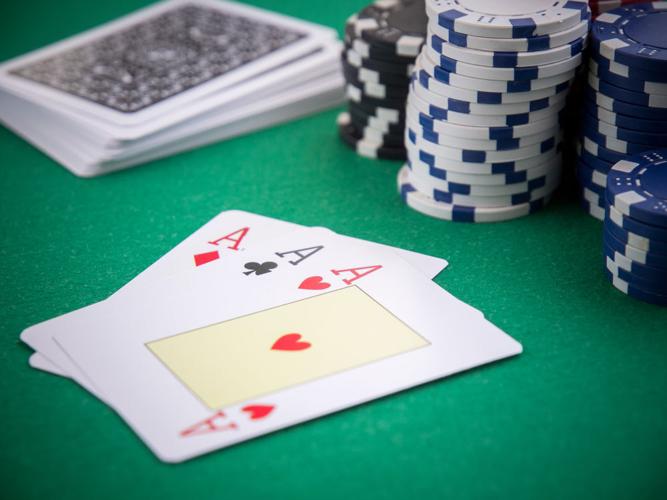
Lastly, consider using your own table image as a bluffing opportunity. If you have established yourself as a tight player, your bets are likely to carry more weight compared to a more aggressive counterpart. Players will be more inclined to respect your wager and fold in response to what they perceive as a strong hand. As such, managing your image and knowing how to manipulate it in the context of bluffing is a vital aspect of your overall strategy.
The Mechanics of Effective Bluffing
The mechanics behind effective bluffing involve not just the act of betting but also the storytelling that accompanies it. When executing a bluff, ensure your actions align with the narrative you want to create. For example, if you decide to raise the pot, the bet size should reflect a genuine strength. A small bet can signal weakness, while an oversized bet may raise eyebrows. Therefore, the size of your bet should be carefully calculated to support the story you want to tell, making it believable to your opponents.
Body language and verbal cues also play crucial roles in bluffing strategies. Subtle changes in demeanor can signal confidence or uncertainty, impacting your opponents’ perceptions. Maintaining a relaxed and composed posture while betting can help reinforce your bluff. Conversely, fidgeting or showing signs of nervousness can give away your intentions. Mastering control over your physical and verbal cues can significantly enhance your ability to bluff effectively.
Moreover, consistency is key when bluffing. If you bluff too frequently, opponents may catch on quickly, undermining your credibility at the table. Developing a balanced approach that incorporates both bluffing and playing strong hands can create a more unpredictable play style. This strategy makes you less susceptible to being read by discerning opponents and builds a reputation that reinforces the effectiveness of your bluffs over time.
Common Mistakes to Avoid When Bluffing
Even seasoned players can fall into common pitfalls when bluffing, leading to missed opportunities or significant losses. One prevalent mistake is over-bluffing, which can quickly erode your credibility at the table. If players begin to see you as someone who frequently bluffs, they will be less likely to fold, making your future bluffs far less effective. It’s essential to choose your moments wisely and ensure that your bluffs are backed by solid reasoning.

Another mistake is failing to consider the overall context of the game. For example, bluffing against multiple opponents can be a risky endeavor. The likelihood of one of them holding a strong hand increases with the number of players in the pot, making it more probable that your bluff will be called. Conversely, targeting a single opponent with a well-crafted story can often yield better results. Always evaluate the situation and the players involved before proceeding with your bluff.
Lastly, disregarding the stack sizes can turn a promising bluff into a costly error. If your opponent has a much larger stack, they may be less inclined to fold, knowing they can afford to take a risk in a hand. On the other hand, short-stacked players might be more hesitant to risk their chips on a call, making them prime targets for bluffs. Understanding the nuances of stack sizes and player motivations can enhance your bluffing strategies and improve your overall success in the game.
Your Destination for Expert Poker Guidance
This comprehensive guide has provided insights into the art of bluffing in poker, equipping you with essential knowledge to elevate your game. If you are seeking further expertise in poker strategies, tips, and guidance, look no further than our dedicated platform. Loaded with resources tailored to every skill level, our website aims to help you refine your strategies and sharpen your skills, whether you’re a beginner or an experienced player.
Our commitment to poker education encompasses a wealth of articles, tutorials, and expert reviews to deepen your understanding of the game. We strive to create an engaging community where players can share their experiences, learn from one another, and grow in their skills. With regular updates on the latest trends in poker strategies and gameplay, you’ll always be ahead of the curve.
Explore various topics that cover everything from the foundational principles of poker to advanced strategies that can give you an edge in any game. Our user-friendly interface ensures easy navigation, allowing you to find the information you need to enhance your performance at the table. Join us today, and take the next step towards mastering the art of poker bluffing and beyond.